BEST CAT HAIRBALL REMEDY :COMPELTE GUIDE FOR CAT OWNER
Hairballs are one of the most common problems faced by cat owners, especially those with long-haired breeds. While an occasional hairball is normal, frequent hairballs can indicate digestive discomfort and poor grooming habits. This blog will help you understand why hairballs happen and how the right cat hairball remedy can make a big difference in your cat’s health. From natural treatments to preventive tips, here is everything you need to know.
What Are Hairballs and Why Do They Occur?
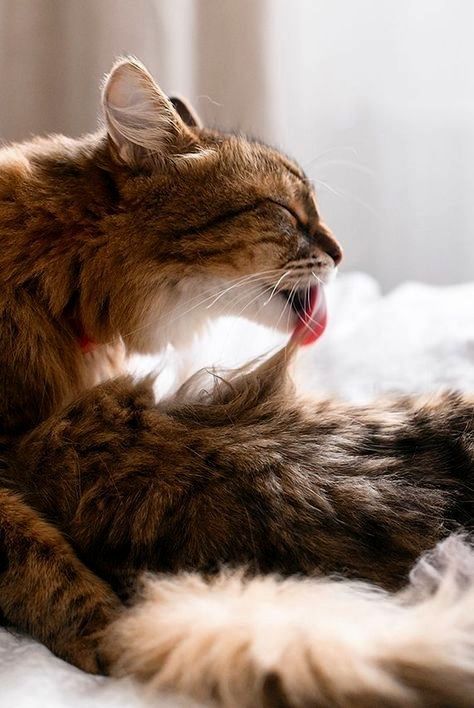
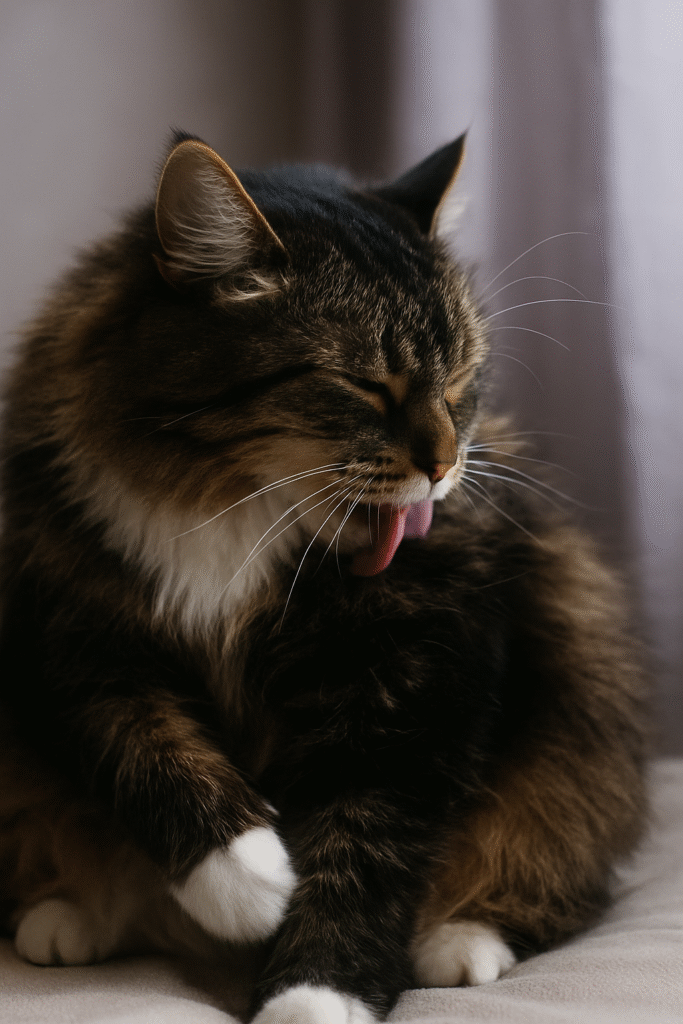
Cats groom themselves every day using their tongue, which has tiny hook-like structures that catch loose fur. This fur is swallowed and usually passes through the digestive system without issues. However, when too much fur is ingested, it may form clumps inside the stomach. These clumps are expelled through vomiting and are commonly known as hairballs.
If hairballs become frequent, you should consider adding a reliable cat hairball remedy to your cat’s routine.
Signs Your Cat Needs a Hairball Remedy
Your cat may need a hairball treatment if you notice:
Frequent vomiting or gagging
Constipation or difficulty passing stool
Loss of appetite
Lethargy
Continuous coughing without vomit
These signs show that the digestive tract is struggling with excess fur.
Top Cat Hairball Remedy Options
There are several effective cat hairball remedies available. Here are the best options you can try to help your cat feel better and reduce hairball formation.
1. Hairball Control Gels
A hairball control gel is one of the most popular forms of cat hairball remedy. These gels act as a mild lubricant that helps fur pass smoothly through the digestive tract. They are usually flavored, making them easy to give.
Benefits:
Helps eliminate existing hairballs
Lubricates the digestive system
Prevents future buildup
2. High-Fiber Diet
Good fiber options include:
Pumpkin puree (unsweetened)
Fiber-rich dry cat food
Small amounts of oats
A fiber-rich diet keeps the digestive system
active and reduces hairballs significantly.
3. Regular Grooming
Reducing shedding is one of the best preventive steps. Brush your cat 3–4 times a week, or daily if your cat has long fur. Faster removal of loose hair means less fur is swallowed, lowering the need for a cat hairball remedy later.
Grooming benefits:
Less shedding
Improved coat health
Stronger bond between you and your cat
4. Adequate Hydration
Cats often drink less water than they should. Proper hydration keeps the digestive system functioning well and helps fur pass naturally.
Try . Wet cat food
Water fountains
Adding water to meals
Hydration alone can act as a very effective cat hairball remedy.
5. Omega-3 Supplements
Omega-3 fatty acids promote a healthy coat and reduce shedding. This means less fur enters the digestive tract.
You can add:
Fish oil
Salmon oil treats
Omega-3 cat supplements
This natural cat hairball remedy improves skin and fur texture too.
6. Probiotics for Digestive Health
Probiotics help maintain healthy gut flora, supporting smooth dige
estion. A strong digestive system can pass fur more easily, reducing hairball issues.
Probiotic treatments are safe, natural, and a commonly recommended cat hairball remedy by vets.
Natural Cat Hairball Remedies at Home
If you prefer home remedies, here are safe options:
Small amount of butter (very occasionally)
Pumpkin puree mixed into food
A tiny drop of olive oil as a lubricant
These natural ingredients help hair pass naturally, making them easy and accessible options for a cat hairball remedy.
When to See a Vet
If hairballs become too frequent or your cat shows the following signs, visit a vet immediately:
Repeated vomiting
Refusal to eat
Diarrhea
Signs of pain
Swollen abdomen
Sometimes, hairballs can cause blockages, which require professional treatment and cannot be solved with a simple cat hairball remedy.
FAQs About Cat Hairball Remedy
1. What is the best cat hairball remedy for daily use?
2. How often should I give my cat a hairball remedy?
Most cats benefit from a cat hairball remedy 2–3 times a week, depending on shedding. Long-haired cats may need it more frequently.
3. Are home remedies safe for treating hairballs?
Yes, natural home remedies like pumpkin puree, coconut oil, or a small amount of olive oil can act as a gentle cat hairball remedy, but should be used in moderation.
4. Can too many hairballs be dangerous for my cat?
Yes. Frequent hairballs may lead to digestive blockages. If symptoms worsen, seek veterinary help even after giving a cat hairball remedy.
5. How can I prevent hairballs naturally?
Regular grooming, hydration, omega-3 supplements, and fiber-rich food are the best natural ways to prevent hairballs without relying too heavily on a cat hairball remedy.
A happy, hairball-free cat means a happy owner!